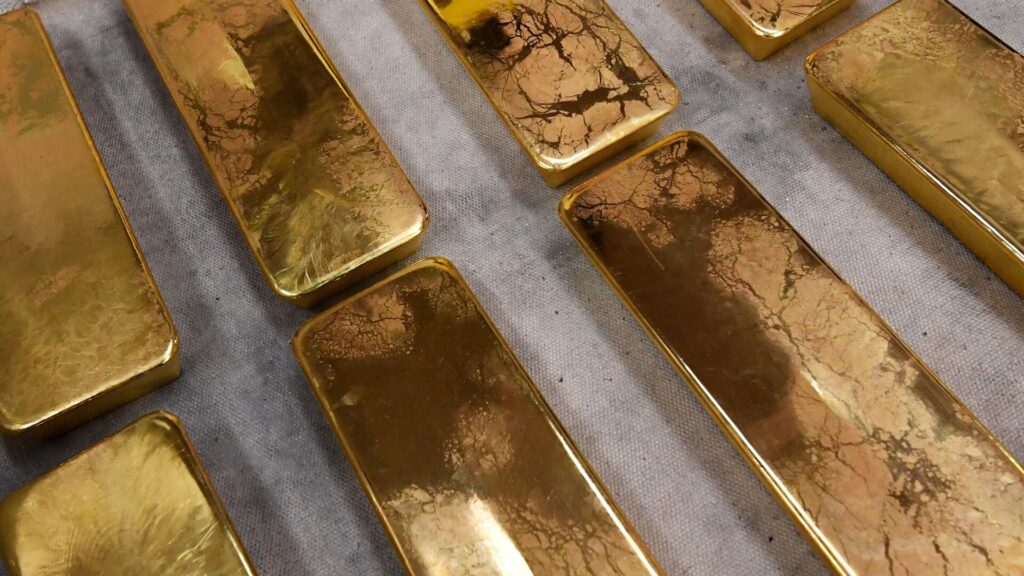
In response to the depletion of rich deposits, specialists at Kazmekhanobr have proposed a new gold extraction technology that has been internationally recognized, but have not yet moved on to industrial testing, Bizmedia.kz reports.
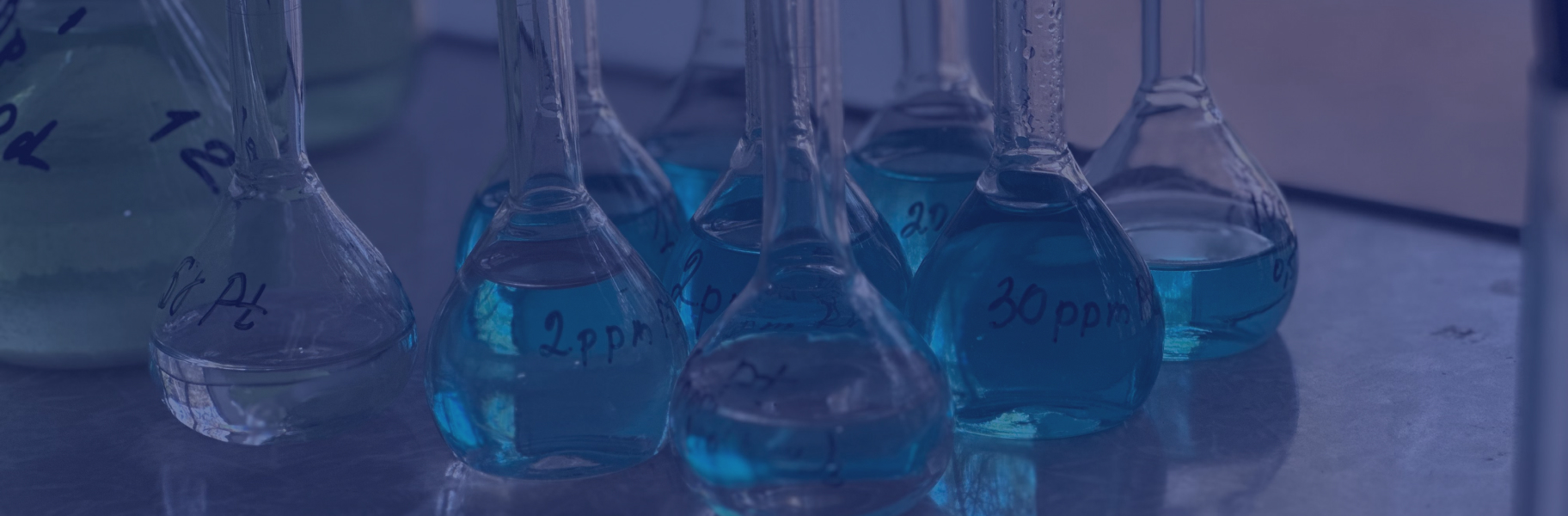
Specialists at Kazmekhanobr, a branch of the National Center for Integrated Processing of the Ministry of Raw Materials of the Republic of Kazakhstan, have proposed a new technology that could improve gold extraction efficiency and reduce processing costs. The development has passed laboratory testing, according to the Ministry of Industry and Construction of Kazakhstan.
Two approaches have been proposed:
- For oxidized ores, a technology has been developed for pre-treatment with hydrogen peroxide and the addition of sodium acetate before heap leaching, which increases gold recovery to 10-14%.
- For sulfide ores, an approach involving the production of a high-grade gravity concentrate and its subsequent processing has been developed. The use of sodium acetate has further increased gold recovery to 4% and reduced its content in processing tailings. Sodium acetate is a promising partial alternative to expensive reagents.
The high scientific level of the discoveries is confirmed by international recognition:
- Two monographs and four articles have been published in international scientific journals ranked in the first and second quartiles.
- One PhD student is completing preparations for a dissertation defense on this topic.
- The developers plan to move on to the industrial testing stage of the technology.
Source: bizmedia.kz
Other news
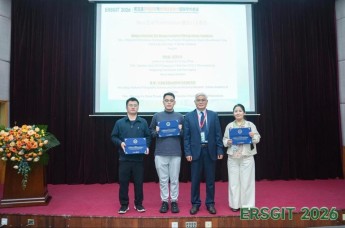
A scientific development from Kazakhstan received international recognition at the ERSGIT 2026 conference in China
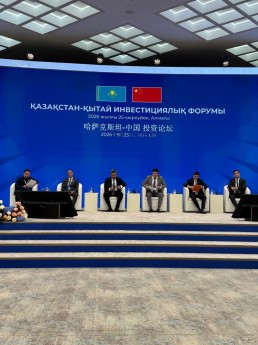
Industrial Cooperation Between Kazakhstan and China: From Raw Materials to High-Tech Production
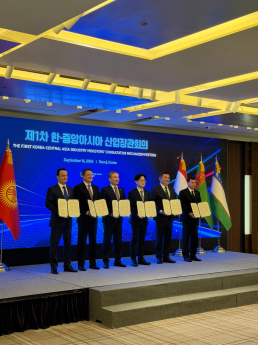
NC CPMRM Takes Part in the Meeting of the C5+1 Industry Ministers' Consultative Mechanism in Seoul
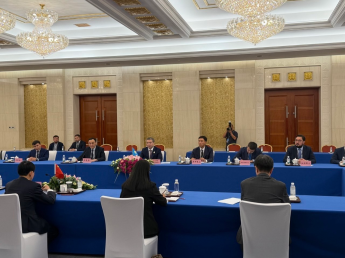
NC CPMRM Takes Part in China Mining 2026: New Horizons of Cooperation in the Mining and Metallurgical Complex
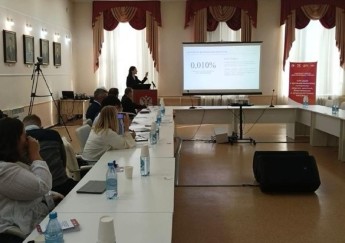
Young scientists from Kazakhstan presented research on critical mineral resources at an international conference