Large industrial plants generate thousands of tons of waste that must be stored and managed. This problem is particularly pressing for chrome and ferroalloy production, where valuable components remain in the man-made raw materials, but environmental risks remain.
Now, Kazakh scientists, together with colleagues from the Institute of Metallurgy of the Ural Branch of the Russian Academy of Sciences, will seek a way to recycle such waste and return useful raw materials to production, reports digitalbusiness.kz.
The best minds have taken on the problem
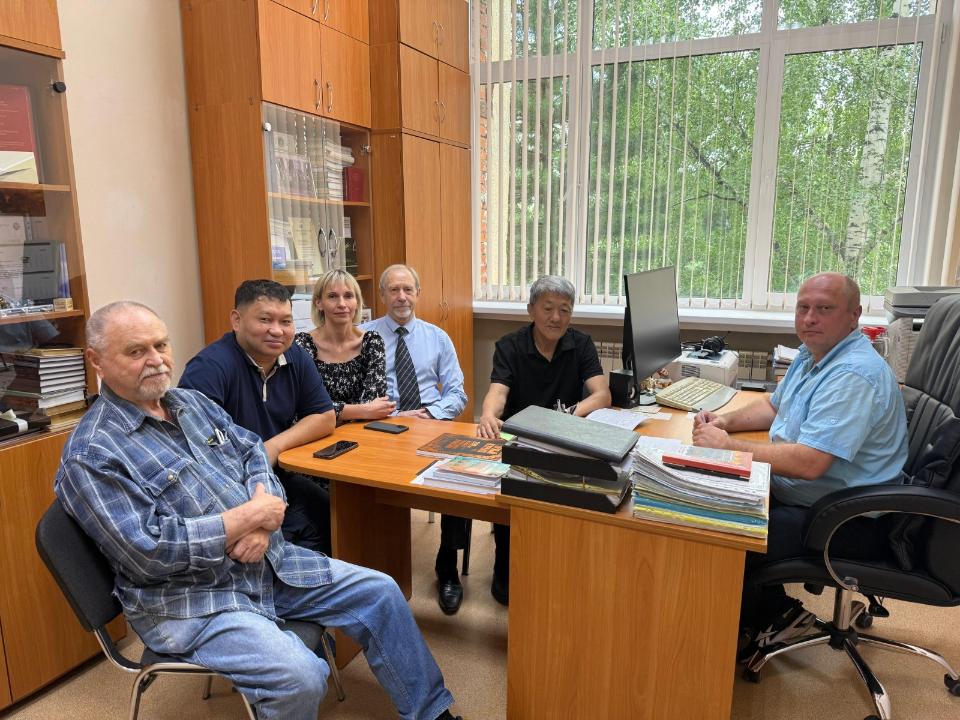
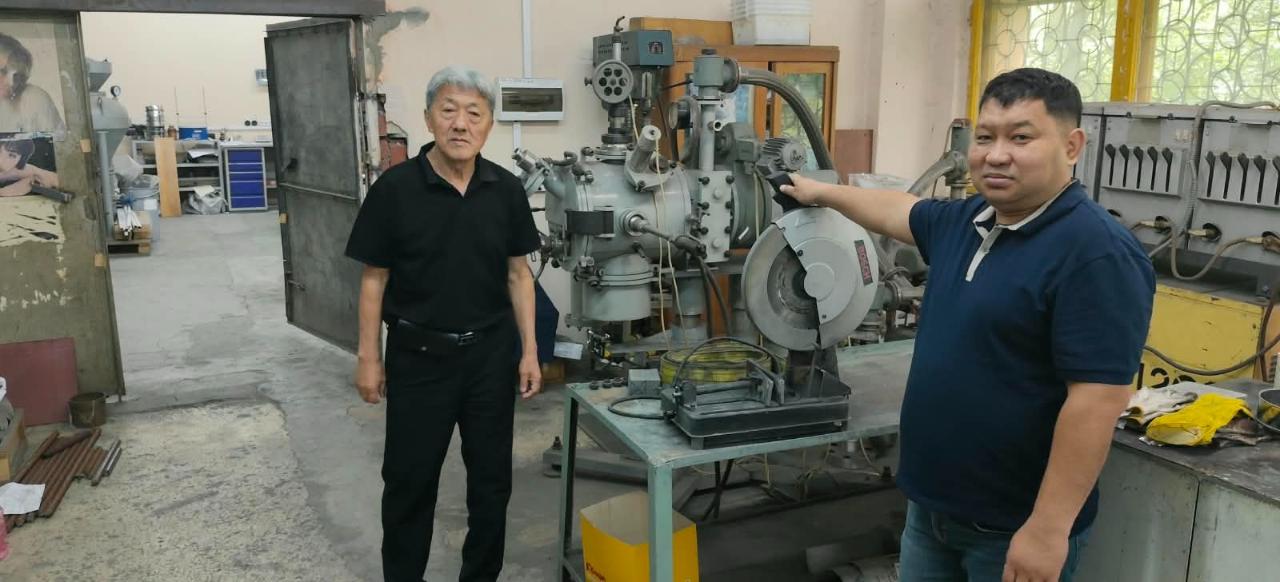
A working meeting between specialists from the Zh. Abishev Chemical-Metallurgical Institute, a branch of the National Center on Complex Processing of Mineral Raw Materials of the Republic of Kazakhstan, and the staff of the Steel and Ferroalloys Laboratory of the Institute of Metallurgy and Metallurgy of the Ural Branch of the Russian Academy of Sciences was held in Yekaterinburg. Following the visit, the parties formed a joint working group. It included Alexander Kim, Doctor of Engineering Sciences; Ruslan Sultangaziyev, PhD, Associate Professor; and Oleg Zayakin, Doctor of Engineering Sciences.
Why are scientists studying chromium specifically?
Chromium itself isn't always dangerous – its chemical form is crucial. Specialists will pay particular attention to hexavalent chromium, Cr(VI). Its compounds are classified as carcinogenic to humans, and exposure can negatively affect the respiratory system, skin, eyes, liver, and kidneys.
Therefore, one of the goals of the study is to understand the forms of chromium found in industrial waste and how to prevent the formation or spread of its most dangerous form.
"Following the meeting, we defined a specific plan for joint work." "The first stage will involve conducting a detailed study of the composition and properties of the waste, determining the forms of chromium, and, based on this, substantiating the most effective technological solutions aimed at reducing the impact of hexavalent chromium and recycling valuable waste components," noted working group member Alexander Kim.
What they plan to do with the waste
The research will cover waste from the Aktobe Chemical Plant and ferroalloy production in Kazakhstan, as well as from plants in Pervouralsk and Novotroitsk.
First, scientists will determine the chemical composition and properties of the accumulated materials. Then, they will seek a technology that will reduce their environmental impact while simultaneously extracting valuable components. It is this second aspect that makes the project attractive to industry. The goal is not simply to render the waste harmless and store it, but, if possible, to recycle it back into raw materials.
This could potentially reduce the volume of accumulated waste, mitigate the environmental impact, and allow the components contained within to be reused in the production cycle.
The project is currently in the research phase.
Source: digitalbusiness.kz
Other news
A scientific development from Kazakhstan received international recognition at the ERSGIT 2026 conference in China
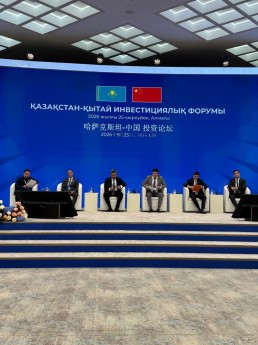
Industrial Cooperation Between Kazakhstan and China: From Raw Materials to High-Tech Production
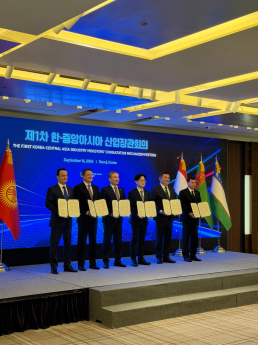
NC CPMRM Takes Part in the Meeting of the C5+1 Industry Ministers' Consultative Mechanism in Seoul
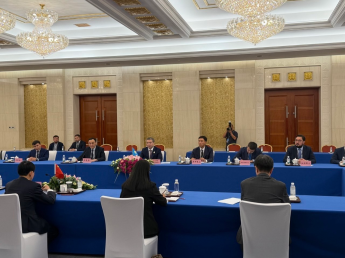
NC CPMRM Takes Part in China Mining 2026: New Horizons of Cooperation in the Mining and Metallurgical Complex
Young scientists from Kazakhstan presented research on critical mineral resources at an international conference